Why Budder Concentrates Are Gaining Traction in the Cannabis World
If you have spent any time around cannabis concentrates in the past few years, you have likely heard the term "budder" tossed around. It is not just a catchy name. Budder represents a specific texture and consistency that many enthusiasts have come to prefer for dabbing. While traditional wax or shatter can be brittle or sticky, budder concentrates offer a soft, malleable feel that makes handling and loading into a dab rig noticeably easier. I have seen this shift firsthand in my own routine and among fellow concentrate users.
What Exactly Is Budder?
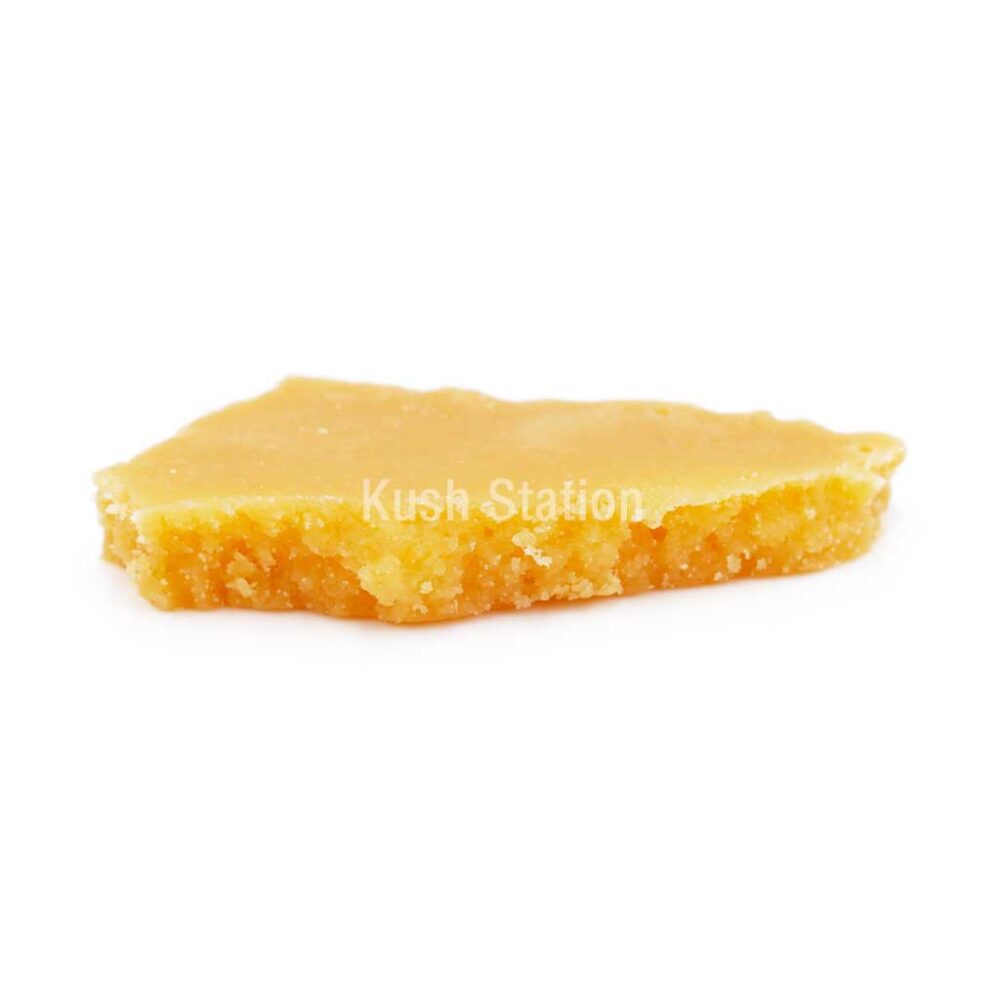
Budder is a type of cannabis concentrate that has been whipped or agitated during processing to create a creamy, butter-like consistency. The name comes from that texture. It is not a separate extraction method. Instead, budder concentrates are usually made from the same starting material as other concentrates, but the final step involves mechanical agitation that changes the crystalline structure of the cannabinoids and terpenes. The result is a product that looks and feels more like cold butter or soft frosting than the glassy shatter or sticky resin you might be used to.
The process does not add any chemicals or require extreme temperatures. Most budder you find on the market today comes from solventless extraction methods, such as using heat and pressure to squeeze the trichomes out of the plant material. That is why many producers label their budder as solventless. It appeals to people who want a cleaner product without residual solvents. When I first tried a well-made budder from a reputable source, the difference in mouthfeel and vapor smoothness was immediately clear.
Budder Concentrates and Their Place in the Cannabis Concentrates World
When you look at the broader category of cannabis concentrates, budder occupies a middle ground between very liquidy extracts like Live Resin and the harder, more brittle forms like Live Rosin. Live Resin is typically made by freezing fresh plant material and using a solvent to extract the trichomes, then purging the solvent. The result is a sticky, translucent substance that can be hard to handle. Live Rosin is made by pressing flower or hash with heat, and it often comes out as a glassy, solid slab at room temperature. Budder concentrates, on the other hand, are usually softer and easier to work with. That alone has made them popular for daily dabbing.
I have found that budder also tends to hold its terpene profile better over time. Because the whipping process incorporates a bit of air and changes the crystalline structure, the volatile terpenes seem to be locked in more effectively. This means each dab delivers a more consistent flavor experience. For someone who cares about the subtle differences between strains, that is a big advantage.
Lab-Tested and High-THC: What to Look For
One thing I always check before buying any concentrate is whether it has been lab-tested. Reputable sellers like KushStation provide lab results for their products, showing THC percentage, cannabinoid profile, and the presence of any residual solvents or contaminants. With budder concentrates, lab testing is especially important because the whipping process can sometimes introduce oxygen or degrade delicate cannabinoids if not done carefully. A good lab report will tell you the total THC content, which can range from 60% to over 90% in high-THC products. It will also list the major cannabinoids like CBD, CBG, and CBN, as well as a breakdown of the dominant terpenes.
When I look at a lab report for budder, I pay attention to the terpene profile. A well-balanced profile with high levels of myrcene, limonene, or caryophyllene will give you a more nuanced experience. The entourage effect, where multiple cannabinoids and terpenes work together, is real. A lab-tested product lets you know exactly what you are getting. That transparency is something I value more and more as the market grows.
Dabbing Budder: Gear and Technique
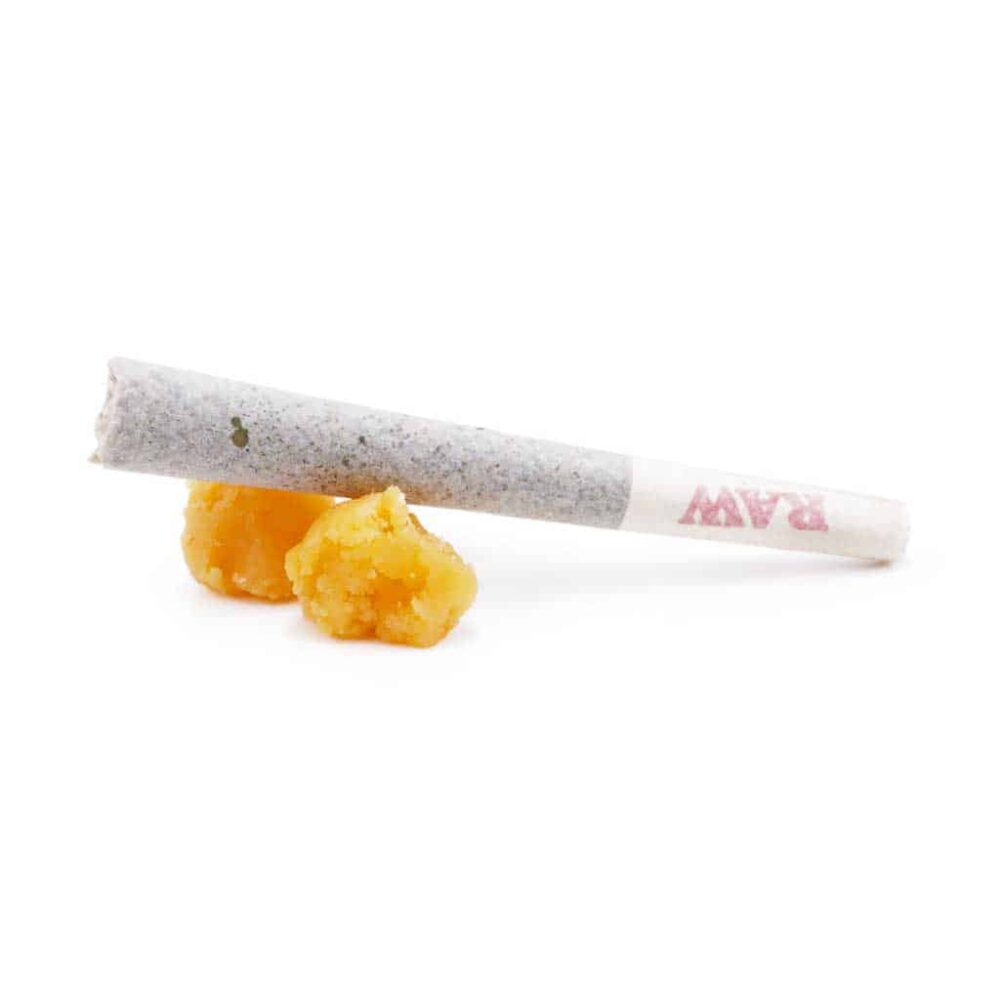
If you are new to dabbing budder, the setup is similar to what you would use for any other concentrate. You need a dab rig, a torch or an enail, and a dab tool. Because budder is soft, you can easily scoop a small amount onto your tool without it sticking to the sides of the jar. That alone is a reason many people prefer it over brittle shatter or runny oils.
Temperature control is critical. I have had the best results with an enail set to around 500 to 550 degrees Fahrenheit. At that temperature, the budder vaporizes smoothly without burning the terpenes. If you use a torch, let the banger cool for about 30 to 45 seconds after heating before applying the concentrate. Too hot, and you will degrade the flavor and get a harsh hit. Too cool, and you will leave a puddle of unvaporized material. With practice, you learn to read the vapor production and adjust accordingly.
One practical tip: keep your concentrate jars sealed when not in use. Budder can dry out if left open, becoming crumbly and losing its signature texture. A sealed jar in a cool, dark place preserves the moisture and terpenes for weeks. I have had jars last months without noticeable degradation, as long as I keep them away from heat and light.
Strains and Effects: Choosing the Right Budder
Just like flower, budder concentrates come in different strains: Indica, Sativa, and Hybrid. Each offers a distinct set of effects based on its cannabinoid and terpene makeup. Indica strains tend to produce more relaxing, sedating effects, which I find helpful for winding down at night. Sativas are more uplifting and energizing, good for creative work or social situations. Hybrids offer a balance, depending on the parent genetics.
When shopping for budder, I look for the strain name and the terpene profile. A high-myrcene Indica will likely be more calming, while a limonene-rich Sativa might be more invigorating. Some of the most memorable budder I have tried came from strains like Purple Punch, which has a dominant myrcene and caryophyllene profile that gives a deeply relaxing body high. On the other hand, a strain like Green Crack with high limonene and pinene delivers a sharp, focused energy. Knowing your preferences helps narrow down the choices.
Solventless Extraction and the Pursuit of Purity
Solventless extraction is the gold standard for many concentrate enthusiasts. It uses only heat and pressure to separate the trichomes from the plant material, without any chemical solvents like butane or ethanol. The result is a purer product that retains more of the original plant's cannabinoids and terpenes. Budder concentrates made through solventless methods are especially prized because the whipping step does not introduce any chemicals. It is purely mechanical.
I have tried both solventless and solvent-extracted budder, and the difference in flavor is noticeable. Solventless budder has a cleaner, more plant-forward taste. The terpenes come through without any chemical aftertaste. It also tends to be safer, as there is no risk of residual solvents lingering in the final product. For medical users or anyone with sensitivities, solventless is the way to go.
KushStation, for example, emphasizes lab-tested, solventless concentrates. Their budder line includes a variety of strains, each with a detailed terpene profile and THC percentage listed. That kind of transparency builds trust. When I buy from them, I know exactly what I am putting in my body.
Budder vs. Other Concentrates: A Quick Comparison
- Budder: soft, creamy, easy to handle, great for dabbing at moderate temperatures.
- Live Resin: sticky, translucent, often more aromatic but harder to work with.
- Live Rosin: glassy, solid at room temperature, high purity but can be brittle.
- Wax: a broad term that can include budder, but wax is often firmer and less consistent.
- Shatter: hard, glass-like, breaks easily and can be messy to load.
Each type has its fans. For me, budder strikes the best balance between ease of use and flavor preservation. It is forgiving for beginners and rewarding for experienced dabbers.
The Future of Budder Concentrates
As the cannabis industry matures, I expect to see more innovation in how budder is produced and marketed. Already, smaller producers are experimenting with different agitation techniques and temperature controls to create unique textures. Some are even aging budder to develop more complex terpene profiles, similar to how wine or cheese is aged. The focus on terpenes and cannabinoids will only grow as consumers become more educated about what they are inhaling.

Budder concentrates are also becoming more accessible. You no longer have to visit a specialty dispensary to find them. Online retailers like KushStation ship directly to your door, with lab-tested products and clear descriptions of each strain's effects. This convenience, combined with the quality of modern extraction, means that budder is likely to remain a staple in the concentrate market for years to come.
Final Thoughts
Whether you are a seasoned dabber or just curious about trying concentrates, budder is a great place to start. Its soft consistency makes it easy to handle, and the flavor profile tends to be clean and rich. The key is to buy from sources that provide lab-tested results and use solventless extraction methods. That way, you get the full spectrum of cannabinoids and terpenes without any unwanted additives. I have been using budder concentrates for over a year now, and I have not looked back. The experience is smoother, the flavor is better, and the effects are more predictable. If you have not tried it yet, you are missing out on one of the most enjoyable ways to consume cannabis concentrates.